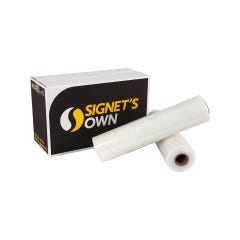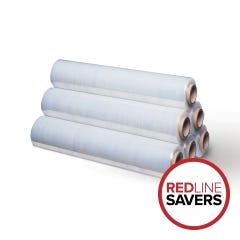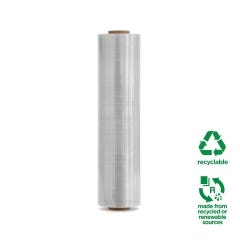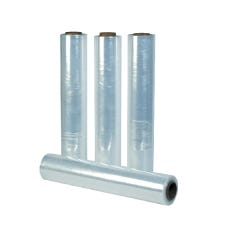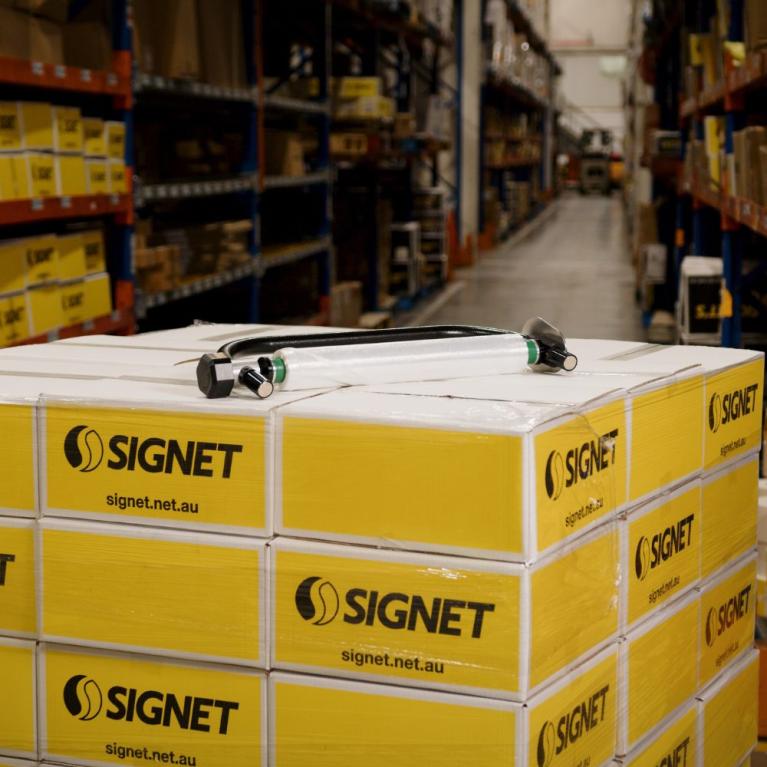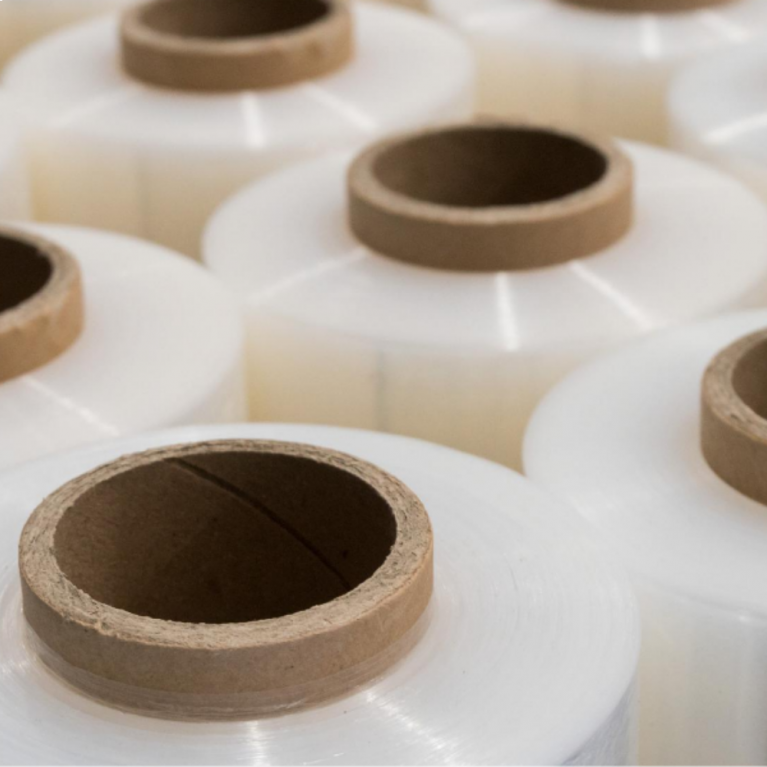


This article takes you through all there is to know about Pallet Wrap so you can choose the best Pallet Wrapping solution for your business.
Are you looking for the ultimate guide to Pallet Wrapping? You’ve come to the right place! Pallet Wrap is an essential tool in any warehouse, so getting a good handle on how it works, and which wrap is best for your needs is key. In this article, we’ll be walking you through all the basics of Pallet Wrap — from common mistakes to avoid, to all the different types on the market. Whether you’re just beginning or already have some experience with Pallet Wrap, this guide will dive into everything you need to know!
Is Shrink Wrap the same as Pallet Wrap?
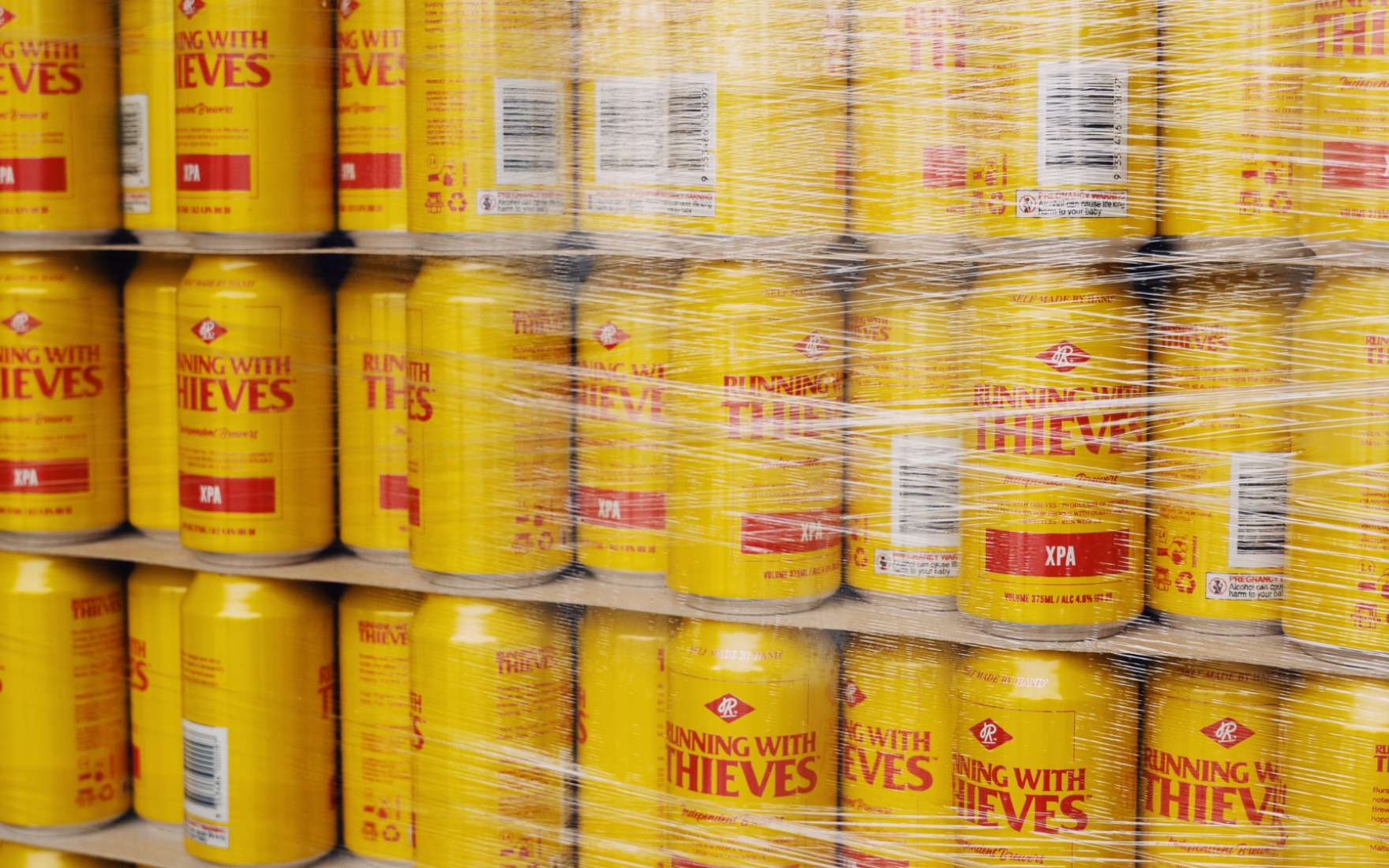
Short answer —no! Shrink Wrap and Pallet Wrap are both popular methods of securing and protecting items for shipping, storage, and display, however — they both serve different purposes! Shrink Wrap is a plastic film that is placed over items or structures and then shrunk using heat to fit tightly and securely around those items for storage, transport or public display. Pallet Wrap is a plastic film that is made for palletizing products and achieving effective load containment, by hand or machine stretching and wrapping the film around items for transport or storage. Shrink Wrap does not stretch, so it cannot be applied or used like Pallet Wrap. Pallet Wrap does not shrink under a heat gun and will likely deteriorate and melt. However, both Shrink Wrap and Pallet Wrap can help protect your items from damage, dust, dirt, moisture and tampering.
What are the most common Pallet Wrap mistakes to avoid?
To ensure safe and secure delivery of your goods, we’ve listed some of the most common mistakes made when wrapping a pallet, and how to avoid them.
1. Am I using the right type of Pallet Wrap?
It is important to choose the right type of Pallet Wrap for a variety of reasons. First and foremost, it is necessary to ensure that whatever product is being stored on the pallet remains safe and secure during transit. Choosing a Pallet Wrap that is not suitable can lead to safety issues, unwanted costs, and injuries. You can read our guide on different types of Pallet Wraps, Shrink Wraps and Stretch Films here.
2. Am I stacking my pallet properly?
If your pallet is not stacked correctly, it can create a dangerous situation where items can potentially fall or collapse, causing harm to workers and damaging the products. It is important to stack your heaviest boxes at the bottom, evenly distribute the weight, and place your lightest boxes at the top. To avoid any instability, also make sure your items are loaded closely together and at a suitable height. The recommended pallet height in Australia is up to 1.8m.
3. Am I using the right amount of Pallet Wrap?
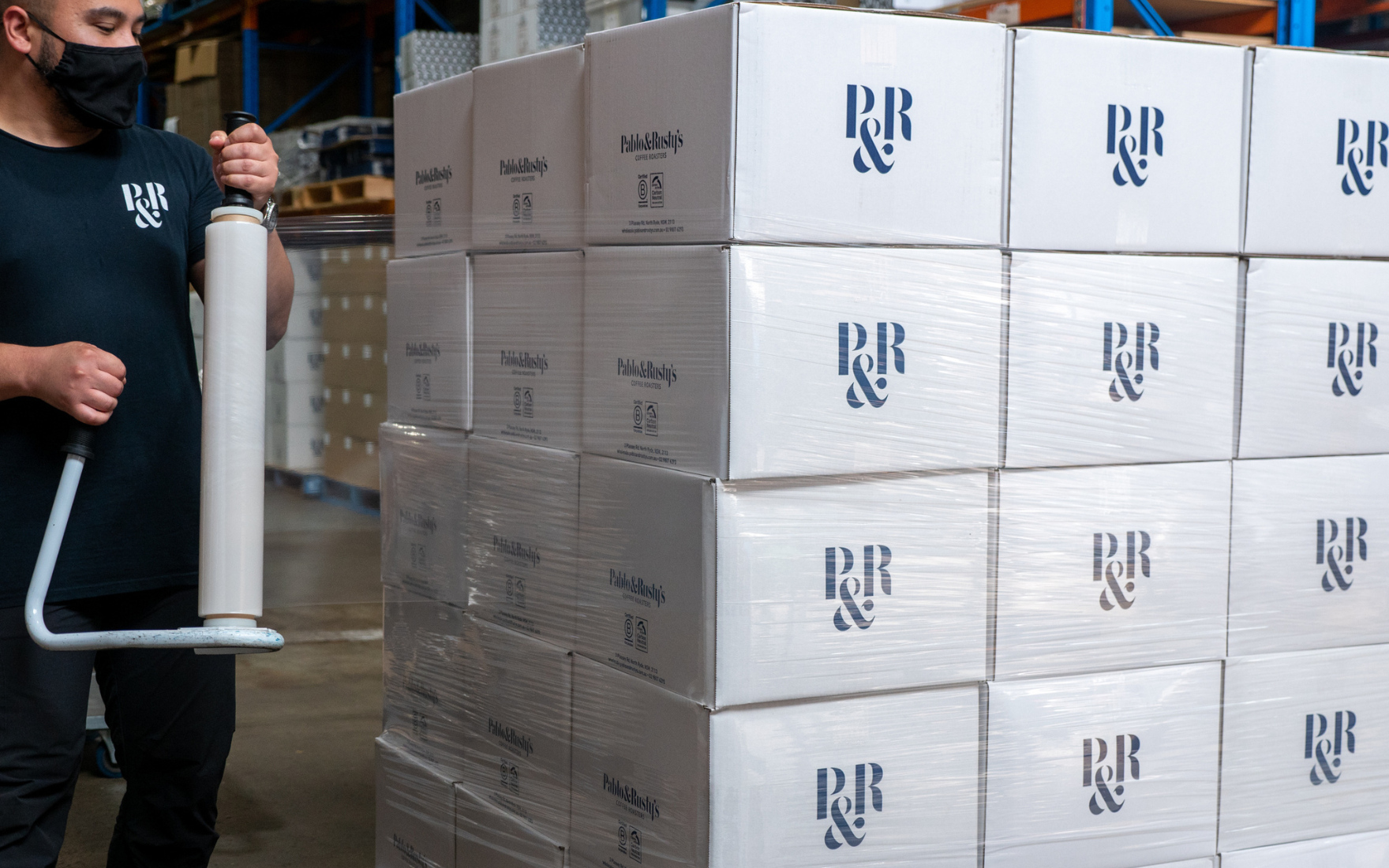
One of the most obvious yet common Pallet Wrap mistakes is using too much film or not enough. If you don’t have a Pallet Wrapping Machine, it can be tricky to know how many layers you should be applying! Too much wrap can be a waste of resources and product in terms of extra material costs, as well as time and labour involved in the wrapping process. On the other hand, using too little Pallet Wrap can result in inadequate protection for your goods and potential damage during transit. To avoid this mistake, it’s important to ensure that the correct tension is applied when wrapping the pallets, and to contain your load effectively. For more information on load containment and how to test it, click here.
4. Am I choosing the right pallet?
If you don’t choose the right pallet for your products, it can cause several problems! The wrong size or type of pallet can lead to inefficient loading, increased risk of product damage, and can also cause injury if handled or lifted. Also be wary if you are reusing old pallets and ensure they are in solid condition before loading goods onto them. It is essential to ensure your pallet is large enough to hold your products without any overhang, so make sure to measure your goods prior to loading.
What are the different types of Pallet Wrap?
What is Cast Pallet Wrap?
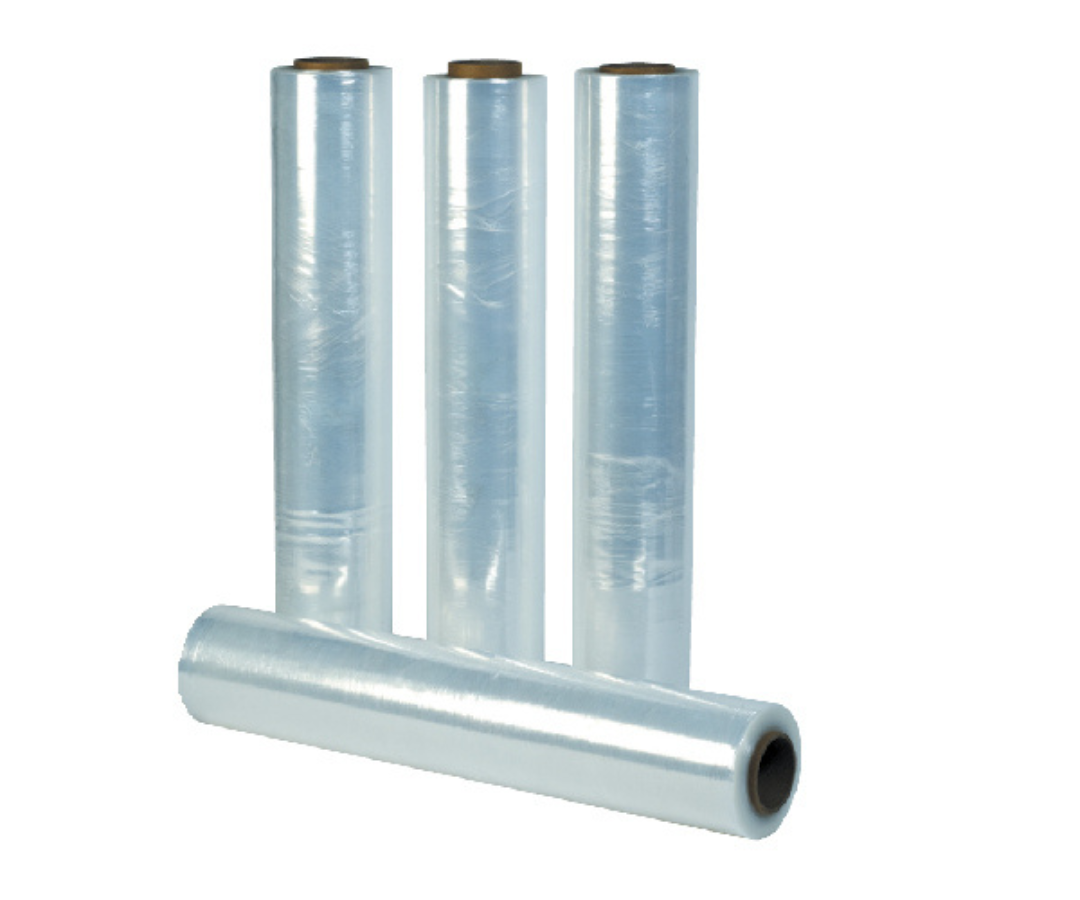
Cast Pallet Wrap is an effective and reliable way to secure and protect shipments. The polypropylene material provides superior water resistance, keeping your goods safe from the elements during transport or storage. Cast Pallet Wrap also offers extra stretch for easy application without sacrificing tension, and a high clarity for barcode scanning meaning easy handling. Additionally, Cast Pallet Wrap is almost silent to apply and comes with free roll holders with every carton. When choosing Cast Pallet Wrap you can rest assured your products will stay dry, secure, intact, and easily identifiable throughout their journey.
What is Blown Pallet Wrap?
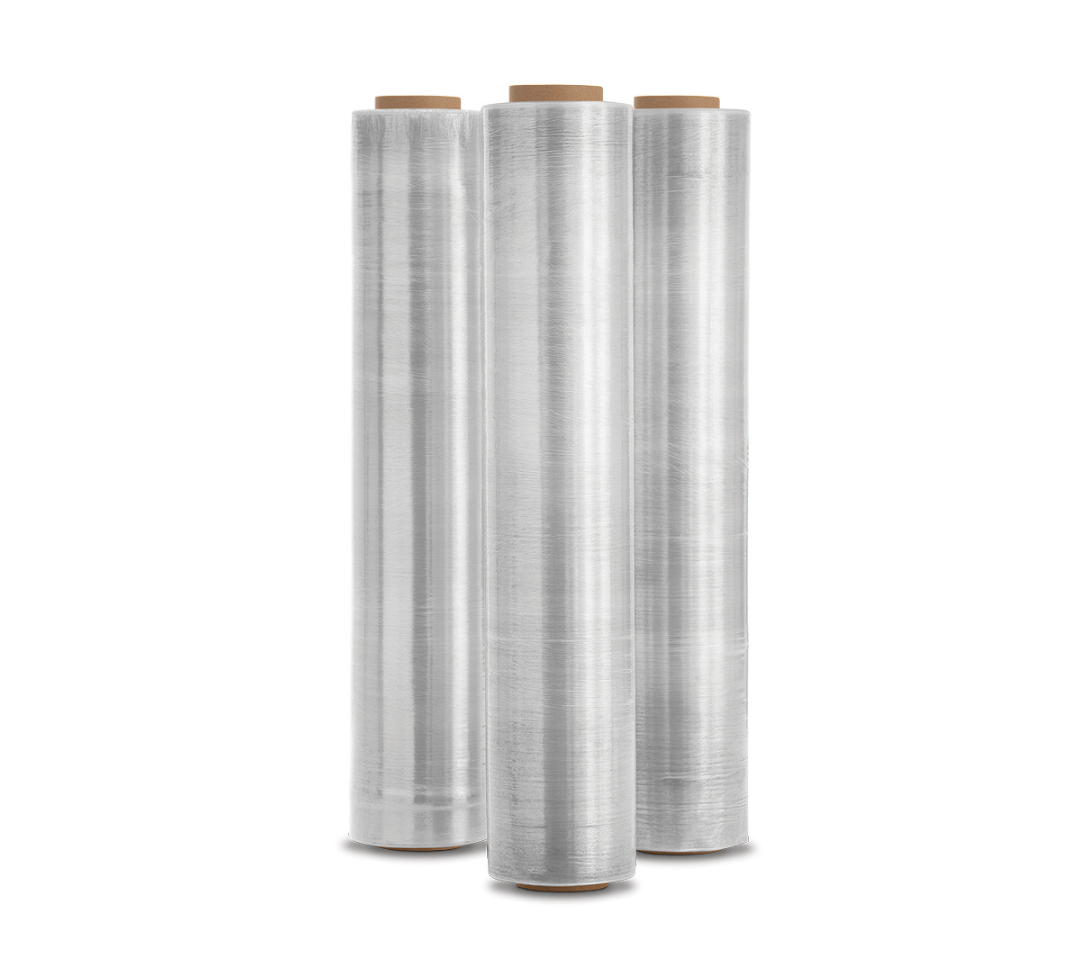
Blown Pallet Wrap is a strong, dependable and lightweight choice for securing goods during transport. It is made from a unique 3-laminate film with metallocene, allowing it to be more durable and puncture-resistant than traditional materials while remaining thin and lightweight. This high-tack formula ensures stability of the load being carried, reducing the amount of wrap needed for each pallet. The latest technology used in its manufacture guarantees a consistent, reliable quality product every time. Every carton of Signet Blown Pallet Wrap comes with free stretch film roll holders. Blown Pallet Wrap is an excellent choice for anyone looking for secure, reliable protection for their items when transporting goods.
What is Pre-stretched Pallet Wrap?
Pre-Stretched Pallet Wrap is an ideal solution for efficient and safe pallet wrapping. It is made from high quality, heavy-duty film that has been pre-stretched before being wound onto the roll. This means less stretching is required when wrapping and reduces manual handling risks such as back, shoulder and arm strain. It also offers improved film toughness which prevents necking down during wrapping. (Necking down is when the film reduces width after being stretched). Pre-Stretched Pallet Wrap provides a strong secure hold for heavier loads while reducing the time and effort needed to complete the task, making it perfect for busy warehouse settings.
What is Hemmed Pallet Wrap?
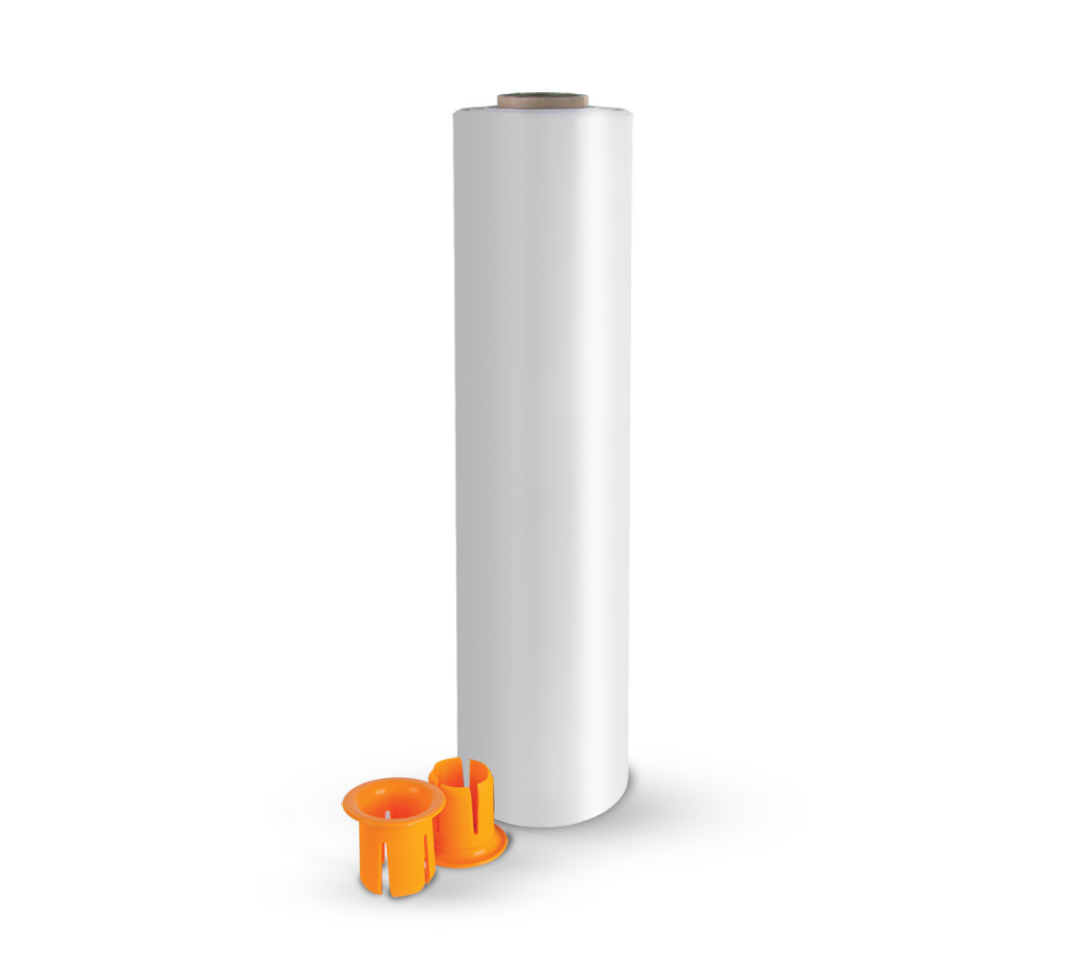
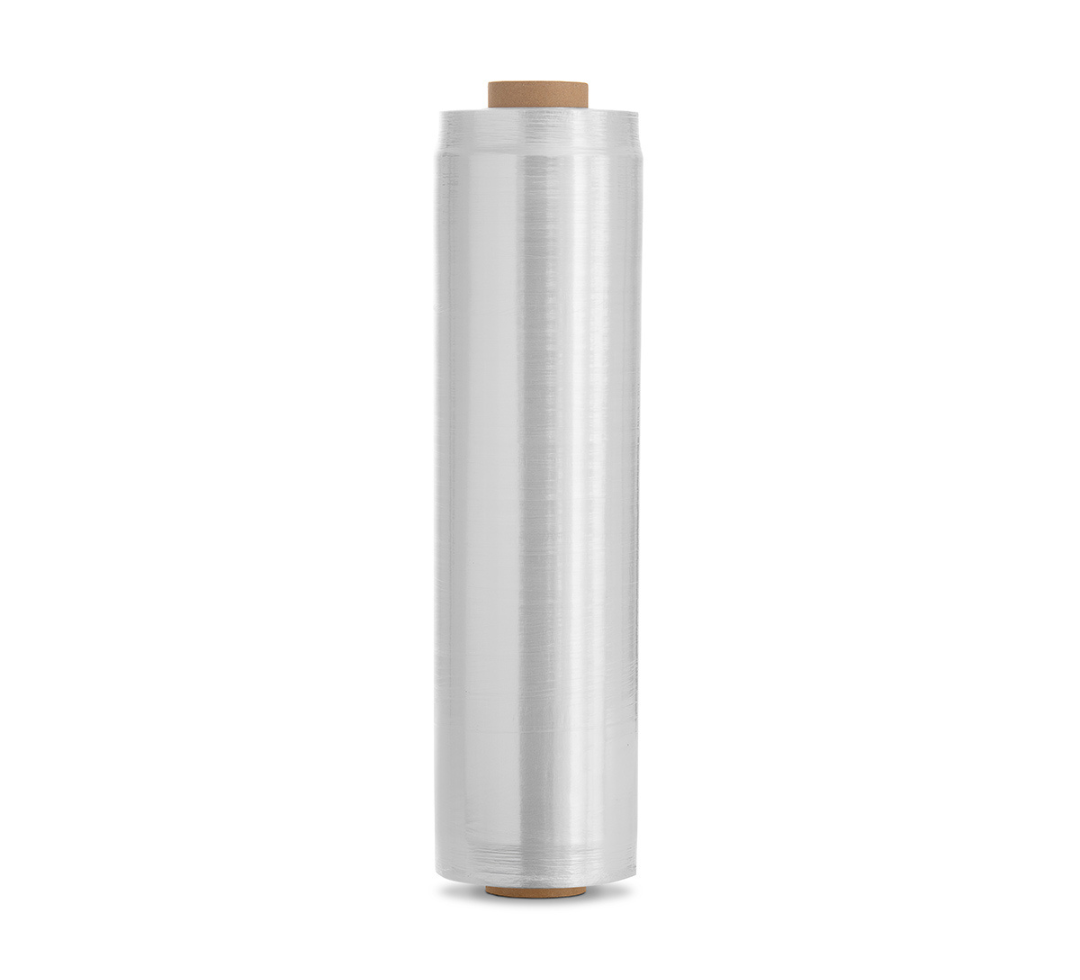
Hemmed Pallet Wrap is an innovative solution designed to provide the strength and stability needed for load containment during transportation. It is constructed with unique reinforced edges (or hemmed edges) to prevent tearing, increasing the holding capacity and providing better protection for pallets. The stiffer wrapping characteristics and improved memory of Hemmed Pallet Wrap also minimise user fatigue, as less wrapping is required per pallet due to its thin and lightweight design. This makes it a perfect choice for businesses looking for efficient and reliable packaging solutions that can withstand maximum weight without compromising on quality.
What is Ventilated Pallet Wrap?
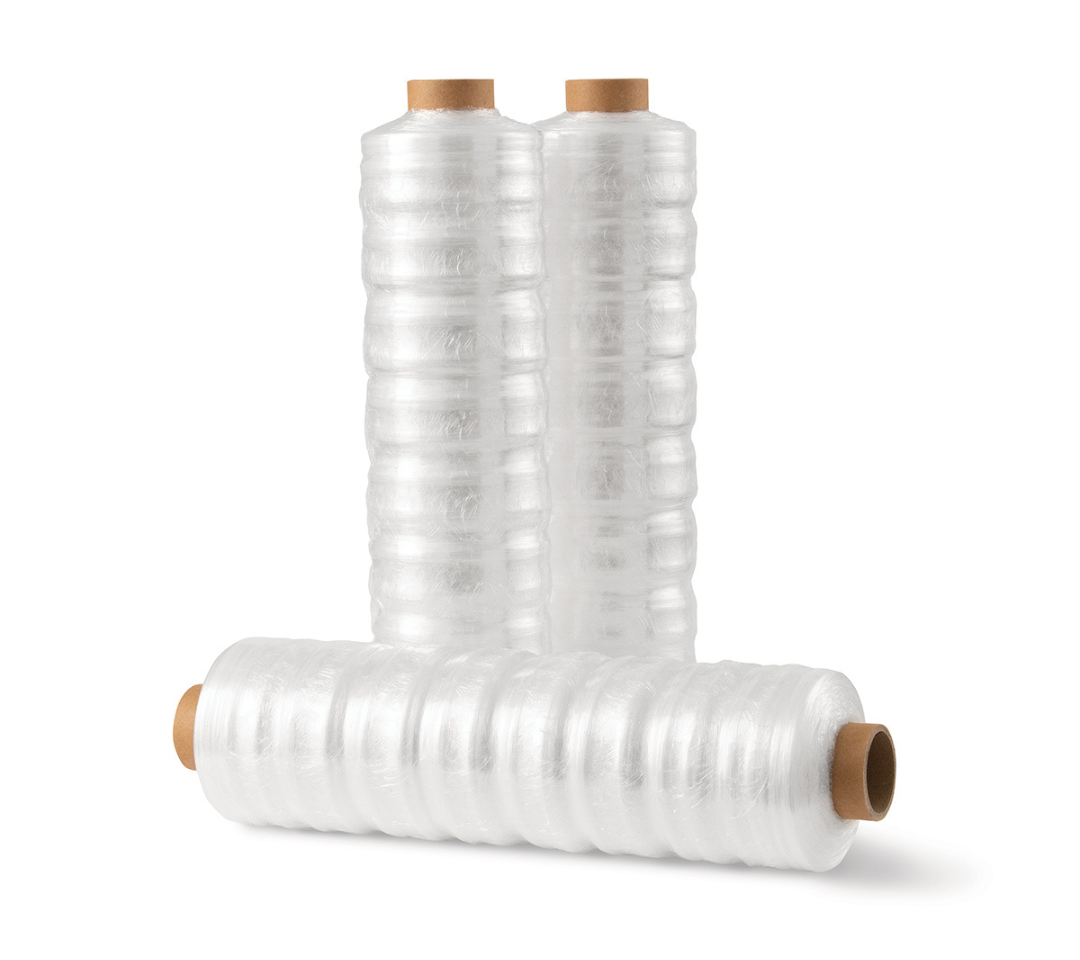
Ventilated Pallet Wrap is an ideal solution for preserving the freshness and quality of goods that need to be kept cool or dry. This wrap is easy to apply, just like conventional stretch films, but provides superior ventilation that allows quicker cooling or drying of palletised goods. It has a unique honeycomb structure with small perforations that create air pockets, allowing the air to circulate freely and speed up the cooling or drying process. Its superior strength also ensures that the items remain secure and tightly bound so they can be safely transported without damage. Ventilated Pallet Wrap is an effective way to keep goods safe and in the best condition possible, while reducing spoilage during storage and transport.
What is UV Pallet Wrap?
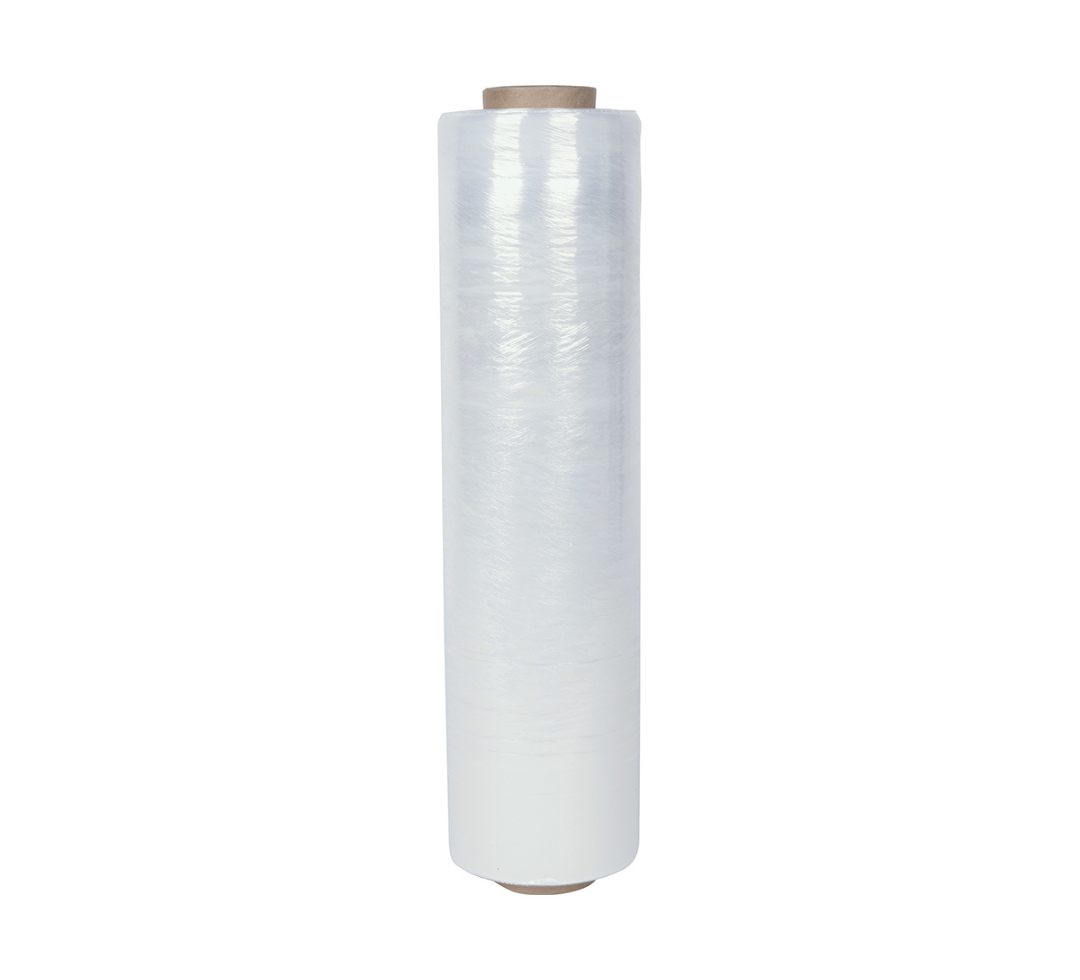
UV Pallet Wrap is a specialised product designed to provide extra strength when wrapping heavy loads such as bricks, tiles and pallets. It is also UV stabilised, meaning it can withstand long-term storage in direct sunlight without fading or deteriorating. This makes it perfect for use in outdoor areas where exposure to sunlight is unavoidable. This wrap is made from polyethylene and has an outstanding tensile strength of up to 300 Newtons per square centimetre, making it stronger than standard plastic wraps, yet still pliable enough to ensure a tight secure fit. Its unique construction allows the wrap to stretch up to twice its original length when tensioned, providing a reliable and stable wrapping solution.
What is Coloured Pallet Wrap?
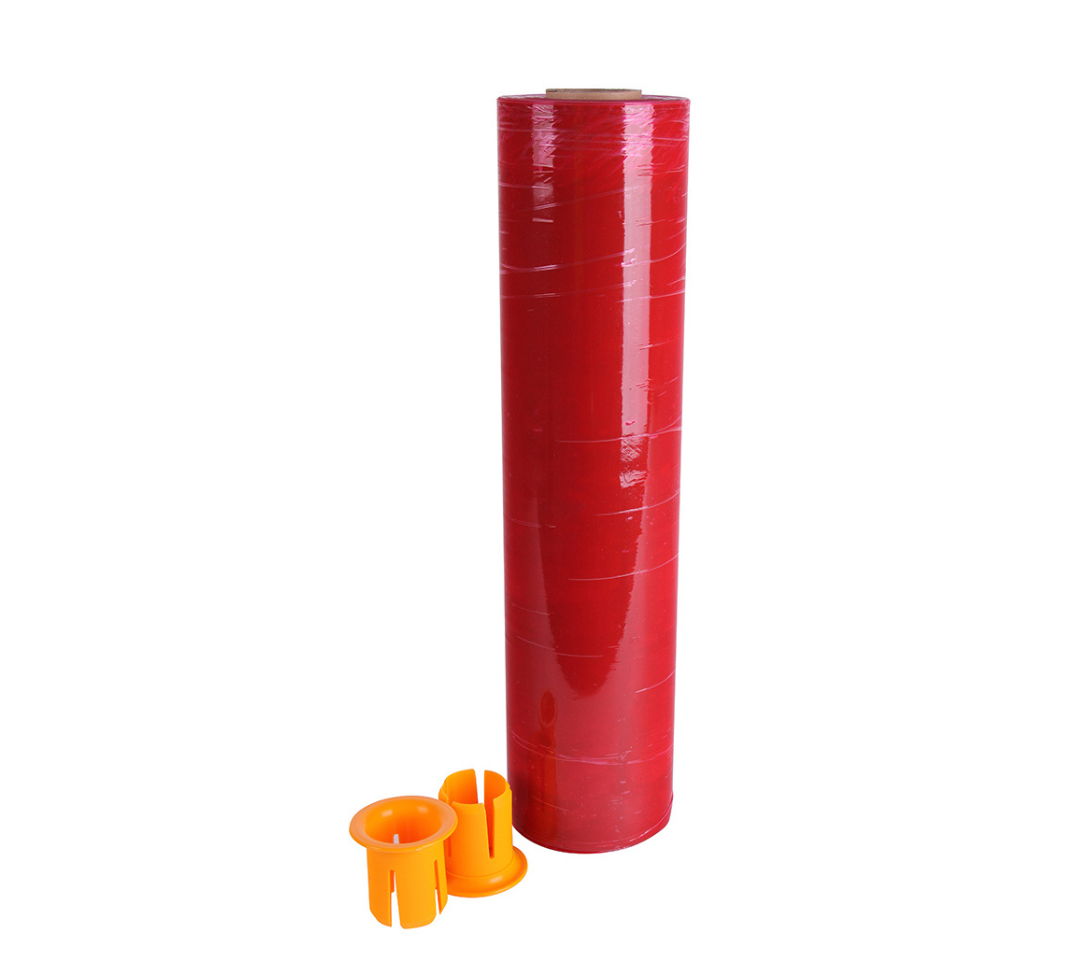
Coloured Pallet Wrap provides an ideal solution for businesses looking to easily and effectively identify their goods. Its non-opaque feature makes it easy to visually inspect the contents of each pallet, allowing for simple stock rotation and inventory management. Available in Blue, Red and Green, it is a great way to differentiate products in the warehouse or in transit. For those requiring extra protection when shipping valuable or confidential goods, Signet also offers Black Pallet Wrap. It is an opaque film which provides absolute anonymity for its contents, deterring thieves from attempting any theft of the goods. Coloured Pallet Wrap provides a simple yet effective way for businesses to ensure their goods are both visible and secure during transit.
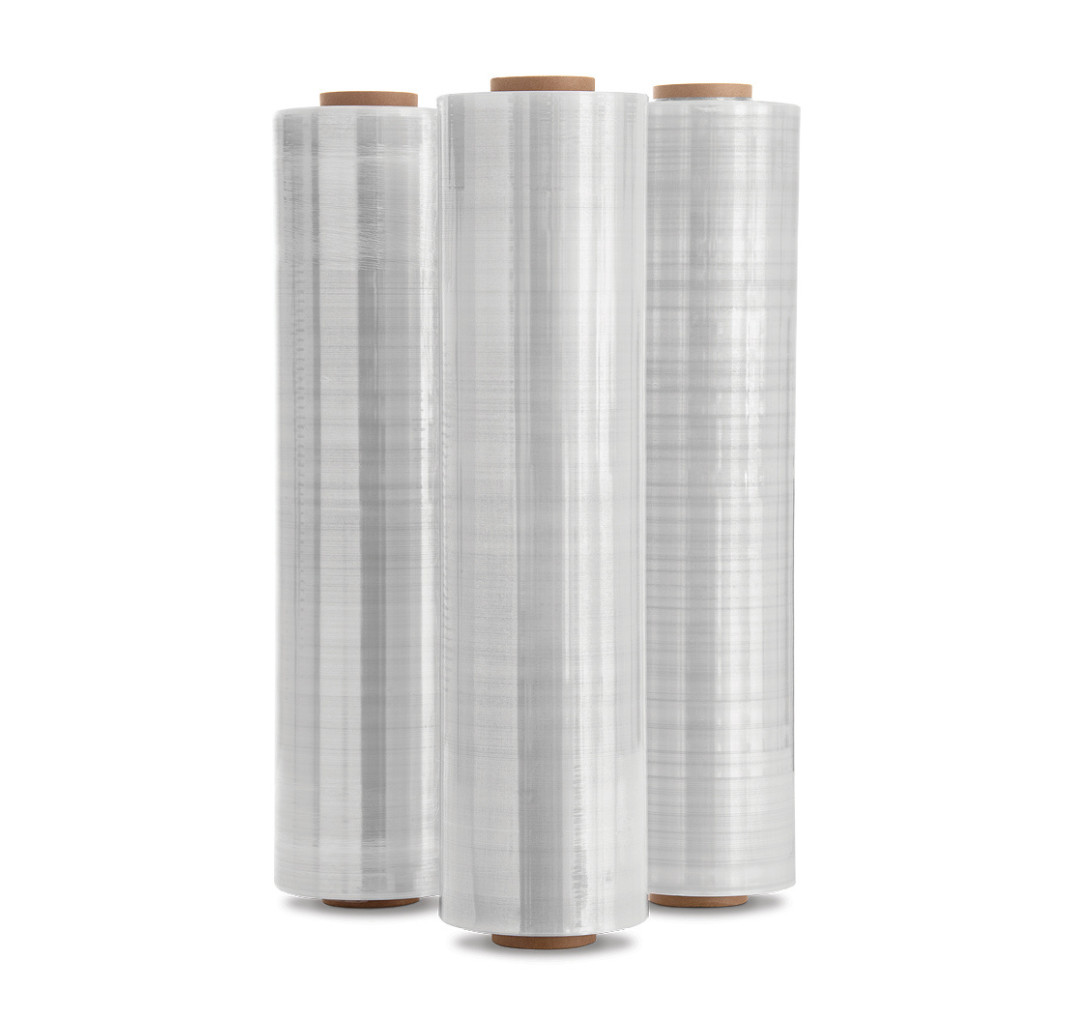
What is Eco-friendly Pallet Wrap?
Signet's Blown Enviro Pallet Wrap is the perfect choice for eco-friendly wrapping and packing solutions. Made from 30% recycled and certified post-consumer reclaim (PCR) material and 20% renewable plant-based plastic produced from sugarcane, it offers a great environmental benefit without sacrificing quality or durability. The hi-tack formula helps to ensure that your items are securely wrapped and stable during transport. It is also 100% recyclable through soft plastic recycling channels in accordance with the National Packaging Covenant - meaning that our pallet wrap can be reused, reducing the amount of waste that goes into landfills and helping to protect the environment. With Signet's Blown Enviro Pallet Wrap, you can feel good knowing that you are making a contribution to sustainable packaging solutions while still getting a superior performance.
Hand vs. Machine Pallet Wrap: Which is best for you?
When it comes to Hand vs Machine Pallet Wrap, it primarily depends on your level of usage. Machine Pallet Wrap offers higher efficiency, greater speed, and more consistent results than manual solutions. They can also be used for heavier loads, as their motorised film tensioning system can provide a more powerful grip on the load. The cost of Pallet Wrap Machines and Stretch Film Machines may be initially higher than a manual solution, but with larger operations and tight budgets this can often be offset by long-term savings due to reduced labour costs. On the other hand, Hand Pallet Wrap is an excellent choice when dealing with lower use, limited warehouse space or even odd-shaped or uneven pallets. Hand Pallet Wrap is also simpler to operate and requires less maintenance, making them ideal for small businesses where resources are limited. For a full guide on how to wrap a pallet by hand click here.
No matter which type of Pallet Wrap you choose, proper use is key to ensure that your items are securely stored and protected during transit. Overall, understanding all aspects of Pallet Wrap and mastering proper technique will help you achieve optimal results for your packaging needs.
Want to learn more about Signet’s range of Pallet Wrap? Speak to a Signet team member today on 13 7446, email sales@signet.net.au, Live Chat with us at ww.signet.net.au or submit an enquiry below.