Stretch Film Optimisation is becoming a key priority for Australian businesses looking to reduce packaging costs, improve sustainability, and increase supply chain efficiency. From warehouses to distribution centres, optimising your pallet wrapping process can significantly reduce material waste while maintaining or even improving load containment.
What is Stretch Film Optimisation?
Stretch Film Optimisation is the process of reducing the amount of Stretch Film used while maintaining optimal load stability and product protection.
Rather than simply using more film, optimisation focuses on:
- Selecting the right Stretch Film type
- Applying the correct wrap patterns and tension
- Matching film performance to load profile and machinery
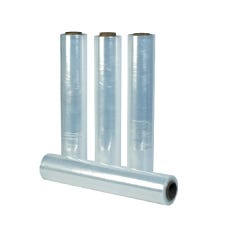
Stretch Film plays a critical role in securing palletised goods and preventing movement or damage during transport and storage.

Why Stretch Film Optimisation Matters
Many businesses assume that more wrap equals better protection — but this often leads to unnecessary cost and waste.
Reduce Stretch Film Costs: Using less film per pallet directly lowers packaging spend and material usage.
Improve Warehouse Efficiency: Optimised wrapping reduces roll changes and improves throughput.
Increase Load Stability: Correct film selection and application improves containment force and reduces product damage.
Enhance Sustainability: Reducing plastic usage helps businesses meet sustainability targets and reduce environmental impact
Common Stretch Film Mistakes (and How to Fix Them)
Over-Wrapping Pallets
Too much film increases costs without improving load stability.
Solution: Review wrap cycles and reduce unnecessary overlaps.
Using the Wrong Film Type
Not all Stretch Films perform the same.
Solution: Match the film to load weight, shape, and application.
Poor Wrapping Technique
Inconsistent wrapping leads to wasted material and unstable loads.
Solution: Standardise procedures and train operators.
What is Downgauging in Stretch Film?
Downgauging (or light gauging) refers to reducing film thickness while maintaining or improving performance.
Modern high-performance films allow:
- Higher stretch capacity
- Stronger load containment
- Less material usage per pallet
This means businesses can use less stretch film without compromising safety or stability.

Should You Switch to an Automated Pallet Wrapping Machine?
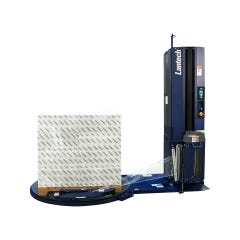
For businesses looking to further improve efficiency, automating your pallet wrapping process can significantly enhance Stretch Film Optimisation outcomes.
While manual wrapping is suitable for low-volume operations, many warehouses reach a point where automation delivers better consistency, lower costs, and reduced film usage.
Benefits of Automated Stretch Wrapping Machines
Reduce Stretch Film Usage
Automated machines apply consistent tension and pre-stretch, ensuring the exact amount of film is used on every pallet.
This reduces over-wrapping and eliminates unnecessary waste.
Improve Load Stability
Machine wrapping delivers consistent containment force, helping:
- Prevent product movement
- Reduce transit damage
- Improve pallet safety
Automated systems are designed to Stretch Film more effectively than manual application, improving load containment across the supply chain.
Increase Operational Efficiency
Automation can significantly increase throughput by:
- Reducing wrapping time per pallet
- Minimising downtime from film changes
- Freeing up labour for other tasks
Lower Labour Costs
Machine wrapping reduces reliance on manual labour and improves workplace safety by removing repetitive strain and handling.

Types of Stretch Wrapping Machines
There are several types of automated pallet wrapping solutions available:
- Semi-Automatic Machines – Ideal for medium-volume operations
- Fully Automatic Machines – Best for high-volume distribution environments
- Power Pre-Stretch Machines – Deliver the highest film efficiency
Power pre-stretch machines apply a controlled stretch percentage, making them the most effective option for reducing film usage and improving load containment.
When Should You Automate?
Consider switching to an automated Pallet Wrapper if your business:
- Wraps 20+ pallets per day
- Experiences inconsistent wrapping results
- Wants to reduce stretch film costs
- Is scaling operations
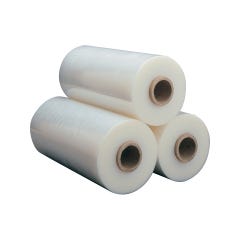
Machine Stretch Film is typically used in high-volume packaging environments, where consistency and efficiency are critical
Automation + Optimisation = Maximum Results
The best results come from combining:
- High-performance stretch film
- Correct machine settings
- Operator training
Automation alone won’t solve inefficiencies — but when combined with a Stretch Film Optimisation program, it can deliver significant cost savings and performance gains.
Real Results: Stretch Film Optimisation Case Studies
One of the biggest advantages of Stretch Film Optimisation is that the results are measurable, repeatable, and immediate.
Case Study: Bundaberg Brewed Drinks – 37% Increase in Efficiency
Leading Australian beverage manufacturer, Bundaberg Brewed Drinks partnered with Signet to optimise their pallet wrapping process and improve load containment.
Challenge
- Product damage during transport
- Pallet instability and corner crush
- Growing export demands requiring reliable packaging
Traditional approaches recommended adding more packaging, increasing costs and labour.
Downgauging + Machine Optimisation
Instead of using more materials, Signet:
- Switched from a 20um film to a stronger 17um film
- Optimised wrap tension and machine settings
- Conducted transport trials across domestic and international shipments
Results
- 37% increase in stretch film efficiency (40 → 55 pallets per roll)
- 30% reduction in plastic usage
- Eliminated transit damage and corner crush
- Reduced operational costs without additional materials
Watch the Case Study
Case Study: Metcash – Reducing Plastic by 100+ Tonnes
Metcash implemented a national Stretch Film Optimisation program across its distribution centres.
Challenge
- High stretch film consumption across multiple sites
- Inconsistent pallet wrapping processes
- Pressure to meet sustainability targets
National Downgauging Strategy
Signet worked with Metcash to:
- Transition to high-performance stretch films
- Standardise wrapping processes
- Train teams across national sites
Results
- Reduced plastic usage by over 100,000kg
- Improved efficiency by up to 42%
- Improved load stability and reduced damage in transit
- Streamlined operations across distribution centres

Final Thoughts
Stretch Film Optimisation isn’t just about reducing material — it’s about improving your entire packaging operation.
By focusing on the right film, correct application, and continuous improvement, businesses can:
- Cut costs
- Improve efficiency
- Reduce environmental impact
- Deliver products safely every time
If you would like to speak with a Signet team member about downgauging your Stretch Film, call us on 13 7446, email sales@signet.net.au, or Live Chat with us by visiting signet.net.au.
Frequently Asked Questions About Stretch Film Optimisation
What is Stretch Film Optimisation?
Stretch Film Optimisation is the process of reducing the amount of pallet wrap used while maintaining or improving load stability and product protection. It involves selecting the right film, optimising machine settings, and improving wrapping techniques.
How can I reduce stretch film usage?
You can reduce Stretch Film usage by:
- Using high-performance or downgauged films
- Increasing pre-stretch levels on machines
- Reducing unnecessary overlap
- Training staff on correct wrapping techniques
These strategies help lower costs while maintaining load containment and reducing waste.
What is downgauging in stretch film?
Downgauging is the process of switching to a thinner, higher-performance stretch film that delivers the same or better load stability.
Modern films can stretch further and provide stronger containment, meaning less material is needed per pallet.
Does using more stretch wrap improve pallet stability?
No—using more film does not always improve stability. In fact, over-wrapping can increase costs and reduce efficiency without improving load containment.
Optimisation focuses on using the right amount of film with correct tension and application.
What is the best stretch film for pallet wrapping?
The best stretch film depends on:
- Load size and weight
- Transport conditions
- Application method (hand vs machine)
For most high-volume operations, machine stretch film with high pre-stretch capability offers the best efficiency and cost savings.
How much cost can Stretch Film Optimisation save?
Businesses can often achieve:
- 20–40% reduction in film usage
- Significant cost savings per pallet
- Reduced labour and downtime
Case studies like Bundaberg Brewed Drinks and Metcash demonstrate measurable improvements in efficiency, cost, and sustainability.