From unnecessary packaging costs to damaged goods and safety risks, poor Pallet Wrapping practices can have a bigger impact on your business than you might think.
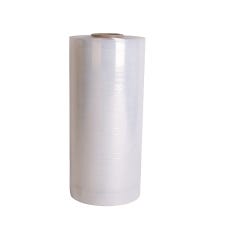
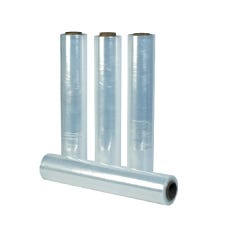
Many businesses view Pallet Wrap as a simple commodity. After all, it's just a roll of film designed to secure products during storage and transport. However, choosing the wrong stretch film or applying it incorrectly can result in hidden costs that affect efficiency, workplace safety, product quality and your brand reputation.
If you're looking to reduce packaging costs, improve pallet load containment and optimise your warehouse operations, avoiding these four common Pallet Wrap mistakes is a great place to start.

1. Evaluating Stretch Film Based on Price Per Roll
One of the most common Pallet Wrapping mistakes is comparing stretch film products purely on the price of a roll.
At first glance, saving a few dollars per roll may seem like a win. But in reality, cheaper stretch film can end up costing more if it contains less material, has a lower film quality, or requires more wrap per pallet.
Compare Roll Length and Weight
Before comparing prices, ensure the rolls you're evaluating have the same:
- Roll length (meterage)
- Overall roll weight
- Core size
- Film specifications
A roll with a lower purchase price may contain significantly less film, resulting in more frequent roll changes and higher usage costs.
Check the Film Thickness (Micron Rating)
Another critical factor is film thickness, commonly measured in microns (um).
Not all stretch films marketed under similar product names have the same thickness. For example, a product called "Hand Cast Wrap 25" may not actually be 25 microns thick unless it specifically indicates "25um".
While a small variation in gauge may be acceptable, understanding the exact film thickness helps ensure you're comparing products fairly and selecting the right film for your application.
How to Calculate the True Cost of Stretch Film
Instead of focusing on cost per roll, focus on cost per pallet wrapped.
A simple way to do this is to:
- Wrap a pallet as normal
- Cut off the used stretch film
- Compress it into a ball
- Weigh the film
This allows you to estimate the amount of stretch film used per pallet and accurately calculate your cost per pallet, weekly stretch film usage, monthly packaging costs, and annual packaging expenditure, helping to identify valuable opportunities for cost savings and waste reduction.

2. Overlooking Load Stability and Workplace Safety
Pallet Wrapping isn't just a packaging task. It's an essential component of workplace safety and transport compliance. Poorly wrapped pallets can shift, collapse or become unstable during handling, storage and transportation. This poses safety risks to warehouse workers, forklift operators, transport drivers, and customers receiving the goods.
Why Load Containment Matters
According to research from Monash University, truck drivers face significantly higher workplace fatality risks than many other professions. This highlights the importance of load restraint and safe transport practices throughout the supply chain.
Under Australia's Heavy Vehicle National Law (HVNL) and Chain of Responsibility (CoR) framework, every party involved in the supply chain shares responsibility for ensuring loads are transported safely.
Common Stretch Wrapping Safety Issues
Poor load containment can result in:
- Pallets shifting during transport
- Product damage
- Falling loads
- Warehouse accidents
- Vehicle instability
- Compliance breaches
Importantly, a pallet that appears stable may still be vulnerable to movement during transit. Businesses should regularly assess their Pallet Wrapping procedures and ensure that stretch film application techniques deliver adequate load containment and load security.

3. Creating Unnecessary Waste Through Inefficient Wrapping
Many businesses unknowingly use more stretch film than necessary.
Overwrapping pallets may seem like the safest option, but it often increases material costs without providing improved load stability. On the other hand, under wrapping can lead to damaged goods and costly losses.
Hidden Costs of Poor Stretch Film Performance
Inefficient pallet wrapping can create waste across multiple parts of the business, including:
- Damaged products during storage or transit
- Increased replacement and freight costs
- Labour spent repacking goods
- Reduced warehouse productivity
- Excess packaging consumption
- Higher environmental impact
Optimising Your Stretch Wrap Operation
By selecting the right Pallet Wrap and implementing best-practice wrapping techniques, businesses can reduce film consumption, improve packing efficiency, minimise product damage, enhance sustainability outcomes, and lower overall packaging costs.
Small improvements in stretch film usage can deliver substantial cost savings over time, particularly in high-volume warehouse and distribution environments.

4. Underestimating the Impact on Brand Reputation
The condition your products arrive in plays a critical role in customer satisfaction. Whether you're supplying retailers, wholesalers or direct consumers, damaged packaging and products can negatively affect how customers perceive your brand.
First Impressions Matter
Imagine purchasing a premium product only to receive it in a crushed box or with visible damage. Most customers would immediately question the quality of the product, the professionalism of the supplier and whether they should purchase from the brand again.
Protecting Customer Experience
Effective Pallet Wrapping helps ensure products arrive:
- Stable and secure
- Free from transit damage
- In presentable condition
- Ready for immediate use or display
Consistently delivering products in excellent condition helps strengthen customer trust, improve retention and protect your brand's reputation.
Improve Pallet Wrapping Performance and Reduce Costs
Choosing the right stretch film and implementing effective Pallet Wrapping practices can deliver benefits far beyond packaging.
Businesses that optimise their Pallet Wrap operations can:
- Reduce packaging costs
- Improve load containment
- Enhance workplace safety
- Minimise product damage
- Reduce waste
- Protect brand reputation

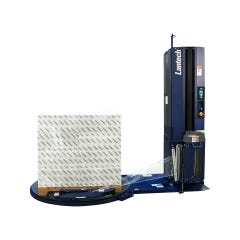
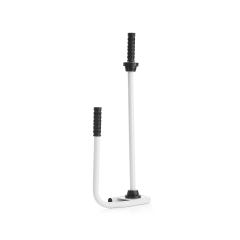
At Signet, we supply a range of Pallet Wrap and accompanying machinery designed to help businesses improve load stability while reducing film usage and packaging costs. Our team can also help identify inefficiencies in your current Pallet Wrapping process and recommend solutions that deliver measurable savings.
To find out more, speak to a Signet team member today on 13 7446, email sales@signet.net.au, Live Chat with us or submit an enquiry below.